

Don’t waste your money on these…
There’s something about the start of a new year that makes us feel like we need to reinvent everything at once. New year’s resolutions, new habits, new routines, new systems, and new purchases to support those routines. And while the desire for positive changes is good, this is also one of the easiest times to overspend on things that don’t actually help you reach your goals.
As a CPA, I see this pattern every single year. People look back on the past year, feel motivated for a fresh start, and dive into purchases they believe will help. But most of those things don’t create lasting change. Stewardship isn’t about perfection. It’s about being thoughtful with what you already have, taking one baby step at a time, and investing where it truly matters.
Here are nine ‘new year, new me’ trends you don’t need to spend money on as you head into the upcoming year—and what to focus on instead.
1. Expensive, Locked-In Contract Gym Memberships
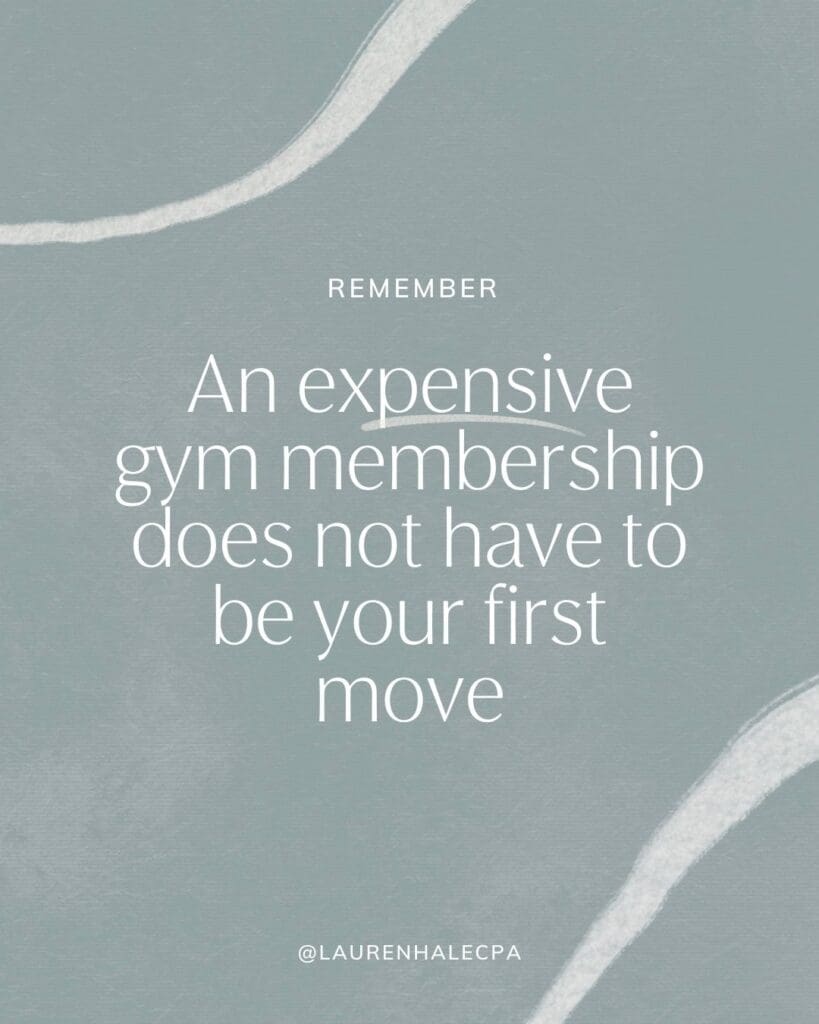
We’re absolutely not against getting fit or improving your mental health through movement. Caring for your body is a form of stewardship. But if your goals include getting healthier and being wise with money, an expensive gym contract tied to your new year’s resolution doesn’t need to be your first move.
Start with something simple and free—walking, jogging, or online workouts. Build the habit first. If you find that a gym truly supports your routine, you can upgrade later without getting locked into something you won’t use by February.
2. Hard-to-Use Budgeting Software
A budget should make your life easier, not more frustrating.
Many budgeting apps are beautifully designed but require constant categorizing, syncing, and rule-setting. If it’s too complicated, you won’t stick with it—and an unused budget won’t support any of your goals top of mind. True confession: Even though I’m a Ramsey Trusted Pro and have friends who use the EveryDollar app, I still use the same budgeting spreadsheet that I’ve used for years.
Choose a method you can maintain consistently, even if that means a simple spreadsheet or notebook. The right tool is the one that helps you build a real plan of action, especially during the time of year when motivation fades.
3. Aesthetic Organizing Containers
Pretty containers do not equal organization. And during this season of new beginnings, social media often convinces us that matching bins are the secret to becoming a more organized, better person.
But if you buy storage before you declutter, you’ll spend money housing a lot of stuff you don’t actually need. Start by removing what no longer serves you. Once you see what’s left, you can decide what containers—if any—are necessary.
4. Locked-In Subscription Apps You’ll Forget About by Spring
January is peak season for signing up for:
- business subscriptions
- fitness apps
- meditation apps
- meal planning tools
- habit trackers
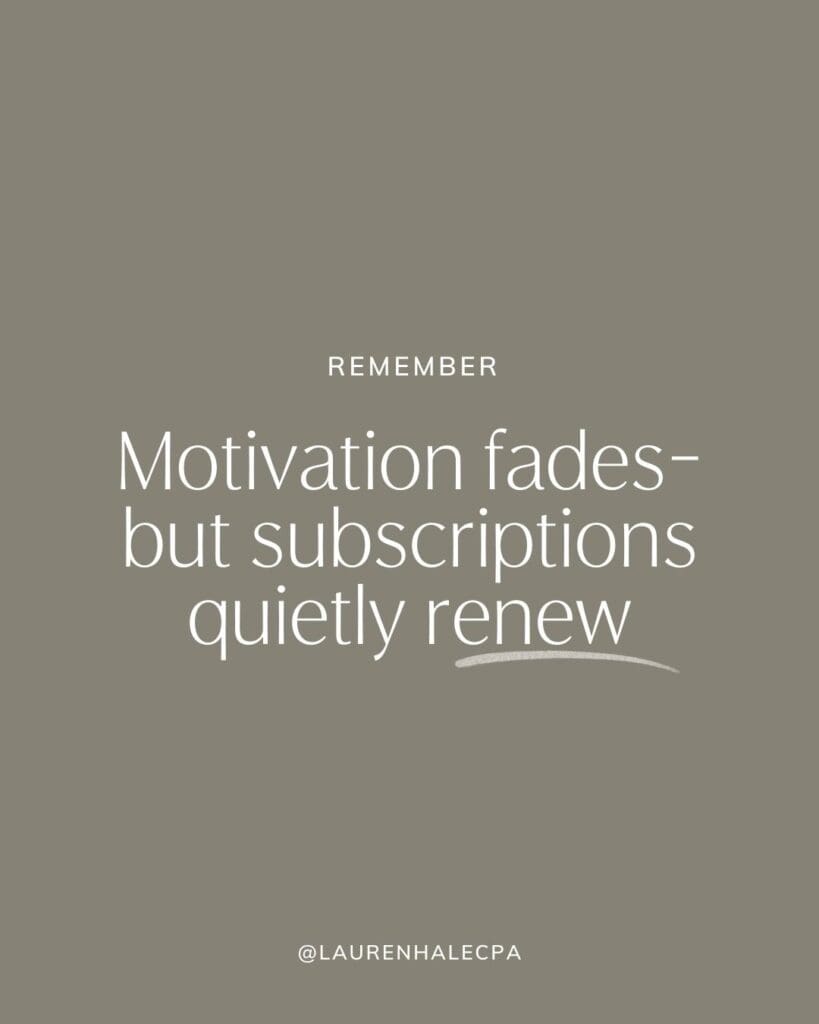
But once the new year’s eve excitement wears off, motivation fades—and many of these subscriptions quietly renew long after you’ve stopped using them.
Before subscribing, ask yourself whether it will still matter to you in April, not just when you’re envisioning the new version of yourself.
5. Fancy Office Supplies for a “Business Refresh.”
Fresh start you’re craving. But they rarely change how your business actually functions.
A new pen doesn’t replace:
- a clear workflow
- organized financial systems
- consistent routines
- or a plan you’ll actually follow
Upgrade tools only after you’ve strengthened your systems and aligned your decisions with your core values.
6. Home Organization Overhauls
Custom pantry systems, matching bins, garage shelving—these projects get expensive fast. But more storage isn’t the solution if the real issue is owning too much.
Decluttering is almost always the cheapest and most effective first step. Once you reduce the volume, most people realize how little organizing equipment they actually need. You may even turn that decluttering into a financial boost by selling items online or donating with proper receipts for a potential tax deduction.
7. High-Interest Store Credit or “Buy Now, Pay Later” Options
Breaking a purchase into smaller payments doesn’t make it more affordable. It just spreads out the expense—and often adds fees, late charges, and unnecessary stress on your financial health.
If you wouldn’t buy it outright today, pause and reevaluate. Stewardship means counting the true cost, not just the advertised payment plan.
8. MLM Starter Kits (Direct Sales)
MLMs often market themselves as simple, flexible income opportunities—appealing to anyone seeking positive changes or a fresh start. But the financial reality tells a different story.
The Federal Trade Commission notes that “most people who join MLMs make little or no money. Some even lose money.” A study from the AARP Foundation found that 73% of MLM participants either lost money or broke even. In the 2023 Neora case, the FTC revealed that over 92% of distributors earned less than they spent, and the Washington State Attorney General found the same with LuLaRoe.
As a CPA, I see this play out on actual tax returns. The cost of inventory, starter kits, shipping, required purchases, and marketing materials often outweighs income earned—leaving people frustrated and financially strained.
If your goal is wise stewardship as you begin the start of a new year, take time to pray, plan, and seek clarity before committing to anything that promises quick income.
9. Brand-New Tech to Support “New Habits”
Contrary to all the ads on social media, you don’t need a new smartwatch to start walking or a new tablet to get organized. Technology can support you, but it won’t build habits for you.
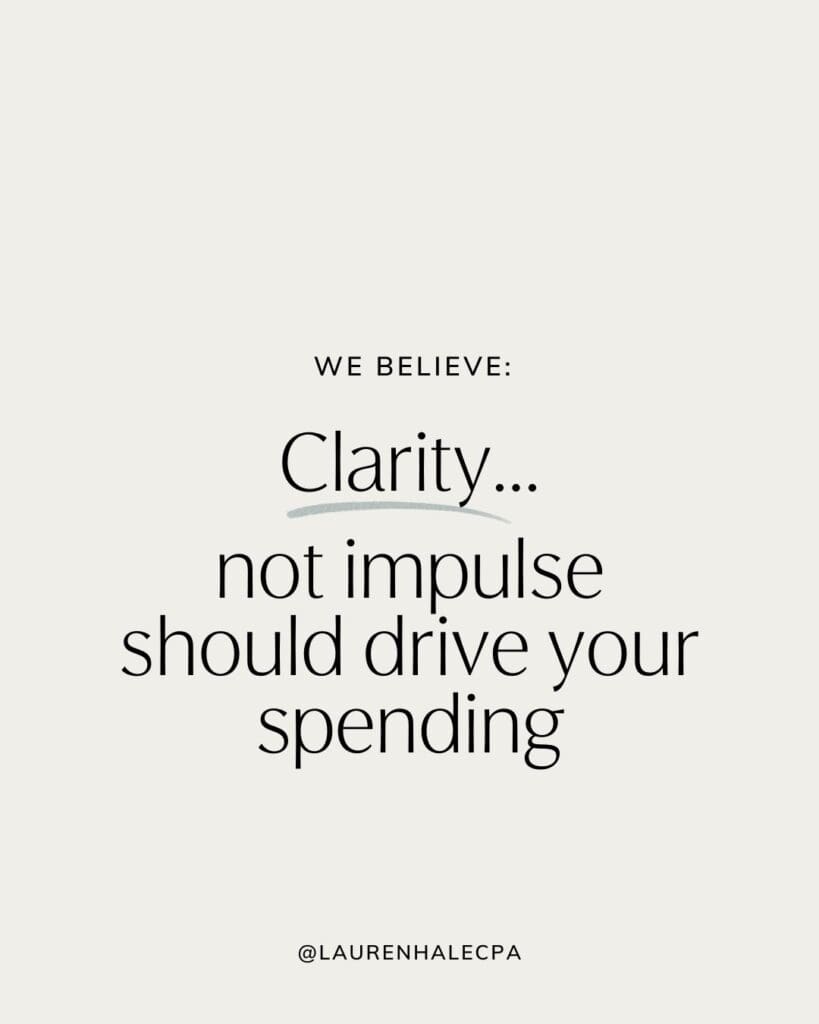
Use what you have first. Let the habit become consistent. If something truly needs upgrading later, you can make that decision with clarity—not impulse born from January energy.
Avoiding These “New Year, New Me” Trends Will Save You Money This Year
A fresh start doesn’t require a fresh round of spending. Most of the time, the simplest, least expensive approach is the one that leads to lasting change. Stewardship is about intention—being mindful with your purchases, choosing tools you can sustain, and investing in what genuinely supports your growth in the upcoming year.
And if you want this year to be the one where you finally feel confident and in control of your finances—your bookkeeping, tax planning, cash flow, and big-picture goals—I’d love to help you get there. Sometimes the biggest “new year, new me” change isn’t a purchase…it’s clarity.
If you’re ready for professional support and a clear path forward, book a call with me, and let’s make a practical plan for your finances—one that actually supports the future you’re working toward.

