Wait, what? Can you believe that the year is almost half over?
While this year may have already felt like it’s 10 years long to some, to others it has been flying by!
As a fellow small business owner and (obviously) an accountant, there are some common “checkpoints” that I always like to see small businesses evaluate halfway through the year.
1. The Most Important Step for Your Mid-Year Financial Check Up: Are Your Books Current and Accurate?
Before you can make wise financial decisions for the rest of the year, you need to know whether the numbers you are looking at are accurate.
This is why staying up to date on bookkeeping matters so much. Your books are not just something to clean up at tax season. They are one of the main tools you should be using to understand your financial health throughout the year.
At the halfway point, it is worth asking:
- Are all of your transactions categorized correctly? Yes, sometimes even QuickBooks can “mess up” and needs to be double checked.
- Have your bank and credit card accounts been reconciled?
- Are there missing receipts, duplicate transactions, or uncategorized expenses?
- Do your reports reflect what is actually happening in your business?
- Do you have the personal information, receipts, statements, and records you need in one place?
If your books are several months behind, it becomes much harder to know whether you are profitable, whether your expenses are increasing, whether your tax payments are on track, or whether you need to make necessary adjustments before the end of the year.
This is also a good time to make sure your bookkeeping is not just “done,” but actually useful. Clean books should help you understand your financial situation, see your financial progress, and make better business decisions.
Clean books give you clarity. Messy books leave you guessing.
And as a business owner, guessing is not a great financial strategy.

2. Are You Hitting Your Sales Projections?
Once your books are current, the next question is whether your sales are on track.
At the beginning of the year, you may have had a revenue goal, a sales projection, or at least a general idea of what you expected your business to bring in. A mid-year financial checkup is a great time to compare that expectation with what has actually happened.
Look at your total revenue for the year so far and ask:
- Are sales higher, lower, or about where you expected them to be?
- Are certain categories of sales bringing in what you expected or not?
- Were there certain months that performed better or worse than expected?
- Are there seasonal patterns you need to account for in the second half of the year?
- Do you need to adjust your expectations for the remainder of the year?
This is not about beating yourself up if the numbers are lower than you hoped. It is about knowing what is actually happening so you can make better financial decisions going forward.
If you are behind your sales goal, you may need to look at marketing, pricing, staffing, offers, customer retention, or even spending habits inside the business.
If you are ahead of your sales goal, that is wonderful, but it may also affect your tax planning, cash flow needs, hiring decisions, retirement contributions, taxable income, and future expenses.
Either way, you need to know where you stand.
A mid-year financial review helps you see whether your business is moving in the right direction or whether it is time to make thoughtful changes before the year gets away from you.

3. Are Those Sales Actually Turning Into Profit?
(This is the mid year financial check up that everyone really likes to talk about)
Revenue is important, but revenue alone does not tell the whole story.
A business can be bringing in more money and still not be in good shape financially. If expenses have increased, margins have shrunk, payroll has grown, credit card debt has increased, or debt payments are eating into cash, higher sales may not be translating into higher profit.
That is why mid-year is a good time to look beyond top-line sales and ask:
- How much profit is the business actually keeping?
- Are your margins where they need to be?
- Are certain services, products, or locations more profitable than others?
- Are you making more money, or just moving more money through the business?
- Are your monthly expenses still aligned with your actual revenue?
Think about inventory, employees, rent, equipment, franchise fees, insurance products, software, loan payments, high interest rates, and other recurring overhead.
Sales may show that people are buying, but profit shows whether the business model is actually working.
This is also where your business finances and personal finances can start to overlap. If the business is not creating enough profit, it can affect owner pay, emergency savings, retirement savings, your ability to build a cash reserve, or even personal goals like paying down student loans, saving for a down payment, or building an adequate emergency fund.
If your sales are up but your profit is flat or shrinking, that is something you want to know now, not after the year is over.
4. Have Increased Costs Changed Your Expenses or Margins?
Even if your revenue is on track, your expenses may not be.
Costs can creep up quietly throughout the year. A software subscription increases. Supplies cost more. Payroll changes. Rent goes up. Fuel prices skyrocket. Insurance renews at a higher rate. Vendor pricing shifts. Inventory gets more expensive. Interest rates change. Credit card balances grow faster than expected.
Individually, those changes may not seem huge. But together, they can have a real impact on your bottom line.
At mid-year, take time to review your expenses and ask:
- Which expenses have increased since the beginning of the year?
- Are there subscriptions, tools, or services you no longer need?
- Have vendor costs changed?
- Has payroll increased?
- Are your prices still aligned with your actual costs?
- Are unexpected expenses eating into your profit?
- Are you carrying debt that needs a stronger payoff plan?
This does not mean you need to cut every expense. Some expenses are necessary. Some are wise investments. Some help your business grow.
But you do need to know whether your current pricing and revenue can support your current cost structure.
A mid-year financial check-up is the perfect time to catch margin problems before they become bigger year-end problems. It also gives you time to make necessary adjustments while there is still enough year left for those changes to matter.
5. Is Your Cash Flow Healthy for the Next Six Months?
(Because if you don’t know at your mid year financial check up, you can’t fix it)
Profit and cash flow are connected, but they are not the same thing.
You can show a profit on paper and still feel tight on cash if money is going out faster than it is coming in, if customers are slow to pay, or if you have large expenses coming up.
That is why cash flow deserves its own check-in.
Look at the next six months and ask:
- Do you have enough cash to cover payroll, rent, taxes, inventory, and regular operating expenses?
- Are there large purchases or annual renewals coming up?
- Do you have slower seasons you need to prepare for?
- Are customers paying on time?
- Are you relying too heavily on credit cards, a personal loan, or short-term debt?
- Do you have enough cash reserve for unexpected expenses?
Cash flow is where a lot of business stress shows up first.
A mid-year checkup can help you spot whether you need to tighten spending, follow up on receivables, adjust payment terms, build reserves, or plan ahead for upcoming expenses.
For small business owners, this kind of financial planning is not just about numbers on a spreadsheet. It is about financial stability, peace of mind, and knowing whether the business can support the decisions you want to make in the second half of the year.
The goal is not just to know what happened in the first half of the year. The goal is to make sure the next six months are financially manageable and, dare I say, even enjoyable.
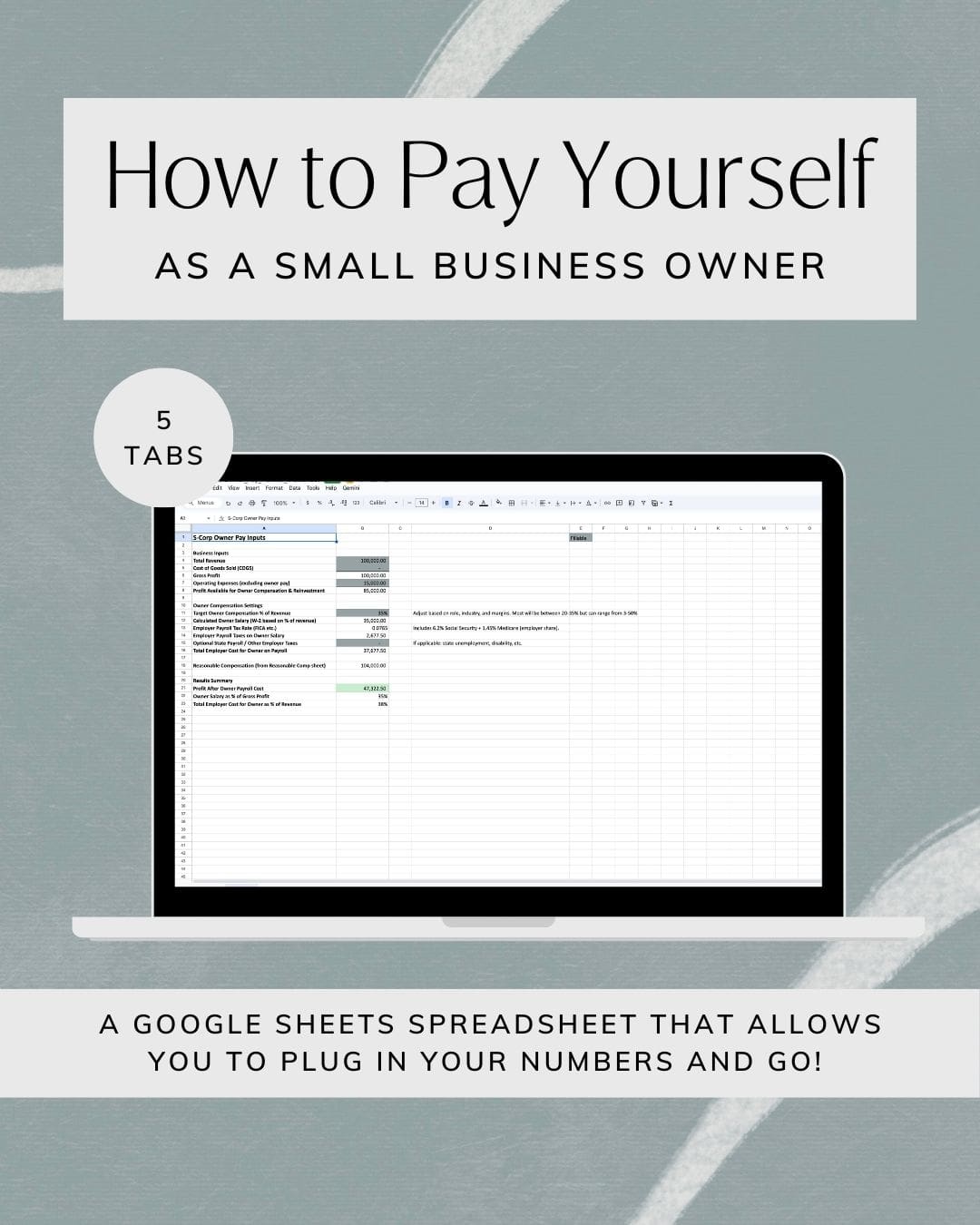
Take the stress out of your small business management over the summer, Grab this guide to help simplify your payroll as an owner over the busy summer months.
6. Do You Need to Pivot Based on the Market?
Let’s be real, a lot can change in six months.
Customer behavior can change. Costs can change. Hiring can change. Local competition can change. Market conditions can change. The economy can shift. Financial markets can move. What worked well in January may not be working quite the same way by June or July.
That does not always mean you need a massive overhaul. Sometimes the right move is a small adjustment.
Mid-year is an ideal time to ask:
- Are customers still buying the same things?
- Are certain products or services performing better than others?
- Has demand shifted?
- Do your prices still make sense?
- Do you need to adjust your offers, hours, staffing, inventory, or marketing?
- Have any major life events or business changes affected your goals or capacity?
This is where your financial reports and your real-life business experience need to work together.
Your numbers may show you where something is changing. Your experience as the business owner can help you understand why.
For example, a job change, a new job for a spouse, the birth of a child, business expansion, new location, staffing change, or shift in family priorities may affect how you want to run the business for the rest of the year.
The key is to make those decisions intentionally, not reactively.
A mid-year review is a great way to pause, look at your specific situation, and decide whether your current strategy still supports your long-term goals.
7. Have You Paid Your Quarterly Tax Estimates?
This is one of those checkpoints that is easy to forget until it becomes a problem.
If your business is expected to owe taxes, you may need to make quarterly estimated tax payments throughout the year. By mid-year, it is worth checking whether those payments have been made and whether they still make sense based on your actual income.
If your business has made more than expected, your original estimates may be too low.
If your income has dropped, your estimates may need to be reviewed as well.
This is where current bookkeeping matters again. Without accurate numbers, it is much harder to estimate what you may owe.
At mid-year, ask:
- Have quarterly estimated tax payments been made so far?
- Do those payments still match your current income?
- Has business growth changed your tax situation?
- Has your taxable income changed because of increased profit, capital gains, or other income?
- Do you need to talk with your CPA or tax advisor before the next payment is due?
Tax planning is much easier when you are looking ahead instead of trying to clean everything up after the fact.
This is also a good time to review potential tax benefits, charitable contributions, retirement contributions, and tax-advantaged accounts like retirement accounts, Roth IRAs, or other options that may apply to your specific situation.
Of course, every business and household is different, so this is where actual tax advice from a qualified professional matters. Blog posts are for informational purposes, not a replacement for personalized tax advice, legal advice, or financial advisor guidance.
8. Is Your Tax Strategy in Place for This Year and the Future?
I hate to be a broken record, but tax strategy is not something you should only think about in December or when it is time to file your return.
By then, some options may be limited or completely gone.
A mid-year financial check-up gives you time to look at the bigger picture and make strategic decisions before the year is over.
This may include reviewing:
- Your business structure
- Retirement contributions
- Owner pay
- Large purchases
- Payroll changes
- Deduction planning
- Charitable contributions
- Long-term business goals
- Your retirement plan
- Your estate plan
- Your savings goals
- Your investment strategy, if applicable
For some business owners, this may also be a good time to review how the business fits into personal financial goals.
That may include retirement savings, a savings account, an emergency fund, investment strategies, mutual funds, an investment portfolio, current asset allocation, risk tolerance, or how past performance and current market conditions may affect future planning.

Your Mid-Year Financial Check-Up Starts Now
Our goal here at Lauren Hale, CPA is not to replace every financial advisor position in your life, but to help point you in the best direction for your family finances and business- while obviously hoping that we get the chance to serve you as your accountant and bookkeeper.
Depending on what you are reviewing, you may need your CPA, tax advisor, financial advisor, estate attorney, or another qualified professional. Investment advisory services, insurance products, and investment decisions should always be reviewed with the appropriate advisor, and when securities are involved, it is wise to understand the role of regulatory bodies like the Securities and Exchange Commission.
But from a CPA and tax planning perspective, the mid-year financial checkup is smart because it gives you time to make wise, informed decisions before the end of the year.
The goal is not just to reduce taxes for the sake of reducing taxes. The goal is to make decisions that support your business, your financial security, your family, and your long-term financial health.
That is why a mid-year financial review is so valuable. It gives you time to see where you are, decide what needs to change, and get the right support before year-end sneaks up on you.
If you’re ready for professional support and a clear path forward, book a call with me, and let’s make a practical plan for your finances—one that actually supports the future you’re working toward.

