
Starting your own business is exciting. You have the idea, you can see the vision, and you are ready to make it official and put your small business idea into action. But before you print business cards or build a website, there is a less flashy kind of preparation that determines whether your business is set up to actually succeed. It is the financial groundwork most new business owners do not think about until they are already knee deep in it.
Though it may seem like tedious, boring, “we can put this off until later” kind of work, think of it as foundational work. Much like building a house, you need a firm foundation for your business if you are to have a business that beats the odds and survives past year 2.
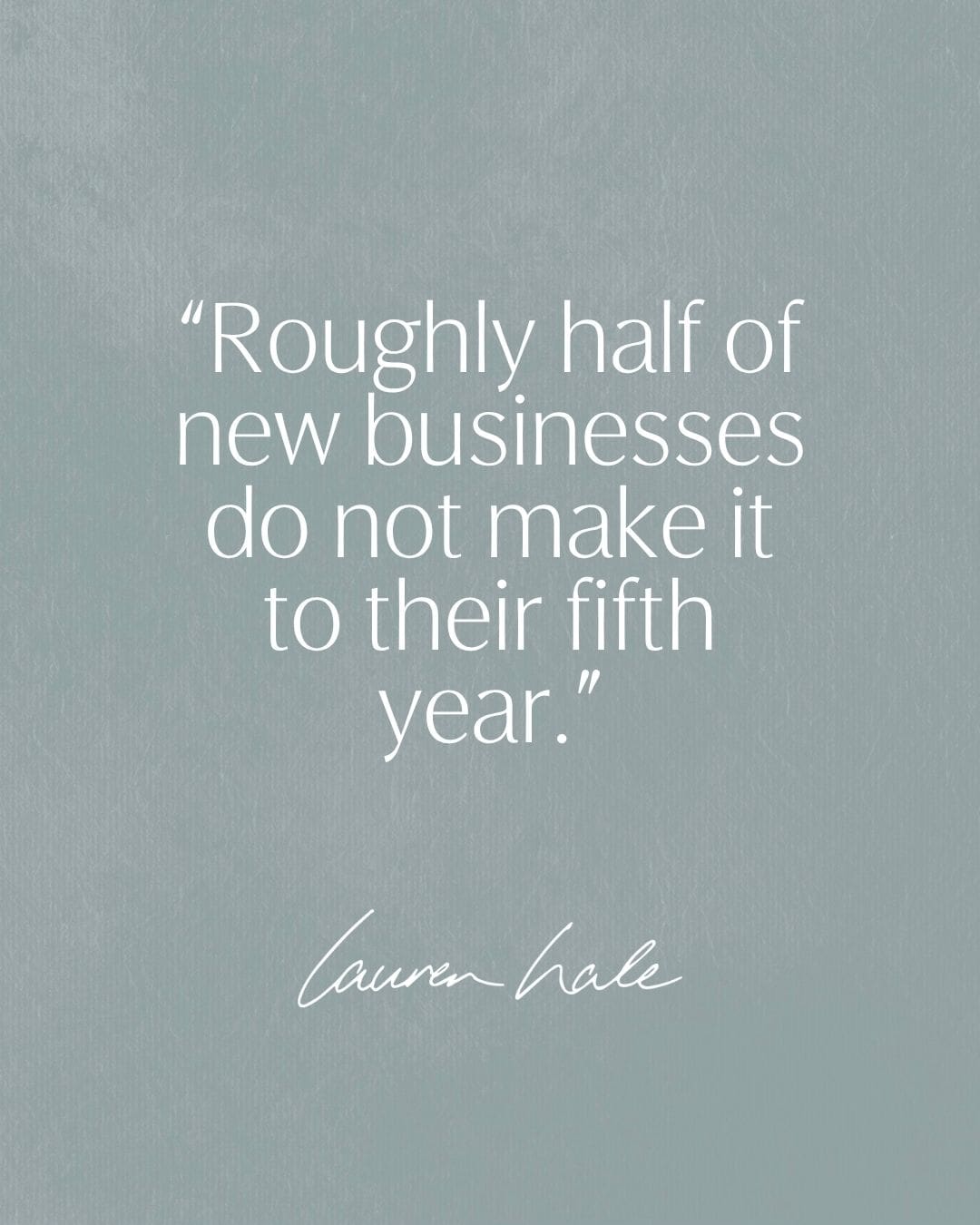
And the odds are worth taking seriously. According to Bureau of Labor Statistics data, roughly half of new businesses do not make it to their fifth year. The businesses that do tend to have one thing in common early on: they took the unglamorous financial groundwork seriously before it became urgent, instead of scrambling to fix it once it already was.
As a CPA who works with small business owners and families every day, here is what I genuinely wish every new business owner would do before they open their doors. None of this is about sucking the fun out of your big idea. It is about giving your good idea the best possible foundation.
1. Open a Separate Business Bank Account
This is the very first step, and it matters more than people realize. Even if your business idea is “just” a side hustle, when your personal and business money mix together in one account, you lose the ability to clearly see what your business is actually doing financially. It also puts your personal assets at risk if your business structure is supposed to protect them.
A dedicated business bank account keeps your bookkeeping clean from day one and protects the legal separation between you and your business. If you already have a business idea that you want to act on, this can be one of your very first steps, even before you have your first customer.
Additionally, if you are a bit of a serial entrepreneur or you own multiple small businesses, make sure that you keep separate accounts for each business. This will give you clear, numbers-based data on which businesses are actually profitable, not just which ones feel more profitable.
2. Choose the Right Legal Structure and Get Your EIN and Business Licenses
We know that this whole point sounds like a lot of work, and truth be told, it can be. However, getting yourself set up correctly legally can be the key difference between a successful business and one that costs you way more than you ever intended. The legal structure of your business affects your taxes, your personal liability, and how much paperwork you will deal with going forward.
- A sole proprietorship is simple to start, but it does not separate your personal assets from your business.
- An LLC creates a legal entity that offers more protection.
- Some businesses eventually consider an S corporation once they grow, which changes how the owner is paid and taxed.
There is no single right business structure for every situation. It depends on your type of business, how much personal liability you are comfortable with, and your long term goals for business ownership. This is genuinely one of those important steps worth a real conversation with a CPA rather than a guess based on what worked for someone else.
Once your structure is chosen, get your Employer Identification Number from the IRS. It is free, it takes minutes to do, and you will need it to open your business bank account and file taxes correctly.
Here is why the structure conversation matters more than it might seem. It’s easy to assume that personal savings, a car, even a home, are automatically protected once someone “has a business,” only to find out the hard way that a sole proprietorship offers no separation at all between what happens in the business and what happens personally. An LLC exists specifically to create that separation. It is not about expecting the worst. It is about not leaving a family’s financial security exposed to a risk they did not know they were carrying.

3. Verify There Is Actually a Market for What You Are Selling
This one is not strictly a financial step, but it protects your finances more than almost anything else on this list. A good idea is not the same thing as a business decision backed by evidence. Before you invest your own money into inventory, a physical location, or marketing materials, take the time to do thorough market research with people other than just your best friends who would cheer you on at anything. Although, to be fair, we are REALLY thankful for those kinds of friends.
Talk to your potential customers. Run a focus group if that fits your type of business. Look at similar products already on the market and figure out what unmet needs you are actually solving. Understanding your target audience and target market before you spend a dollar is one of the most protective financial habits a new business owner can build. Your business or product idea may solve a unique need, but until you are certain that people are willing to pay for that need to be solved, you can’t really build a solid business plan.
Here is what this actually looks like in practice, and it does not require a big budget or a marketing degree. Before sinking money into inventory or a storefront, test the idea small. Open a simple pre-order page and see if anyone actually puts money down. Make a small batch of the product and sell it at a local market or to an existing network before committing to a large production run. Build an email waitlist and gauge real interest, not just polite enthusiasm. This is sometimes called building a minimum viable product, and the idea is simple: give people the smallest possible version of the offer and see if they are willing to pay for it before building the full version.
It’s a familiar pattern: a business owner spends their entire savings on a beautiful storefront or a large inventory order, only to discover in month two that the market simply was not there the way they hoped. That is not a failure of effort or heart. It is a failure of sequencing. Validate first. Invest second. Potential customers will tell the truth if given a low-pressure way to do it, and that truth is worth far more before the money is spent than after.
4. Track Every Expense and Every Mile from Day One
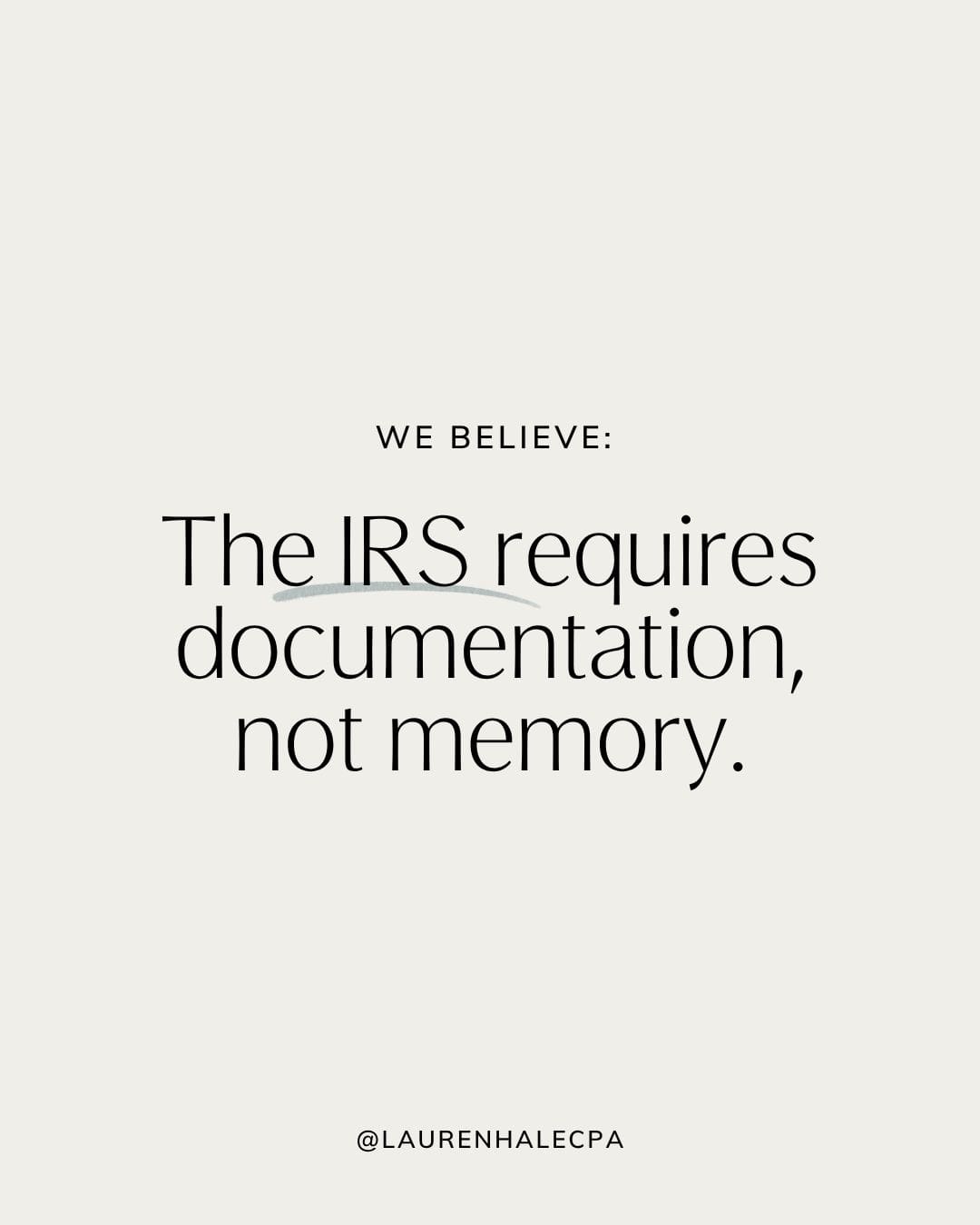
I cannot say this one enough. So many new business owners wait to start tracking expenses until tax season is close, and by then, months of deductions are gone because there is no record of them. Every mile driven for business purposes, every supply purchase, every small expense adds up, and the IRS requires documentation, not memory.
Set up a simple system now, even if it is a basic spreadsheet, so that tracking becomes a habit rather than a scramble. This single habit alone can save small business owners real money every single year.
A few of the most commonly missed deductions are the portion of a home used regularly for business, mileage driven to meet a client or pick up supplies, and small recurring software subscriptions that quietly add up over a year. None of these feel like much in the moment, which is exactly why they get lost. Written down consistently, they add up to real savings by the time taxes are filed.
5. Look Into Required Licenses and Permits Before You Open
Depending on your type of business and where you are located, you may need specific licenses or permits before you can legally operate. This varies widely across the United States, and it is easy to overlook in the excitement of launching. Skipping this step can lead to fines or even having to pause your business once it is already running.
This can look different depending on the business. A home-based business may need a home occupation permit from the city. A business that prepares or sells food will likely need a health permit or to closely follow cottage food laws. Certain professions require a specific state license before you can charge for services. It’s not uncommon for a business to have to pause operations for weeks, right in the middle of building early momentum, simply because a permit was missed early on and had to be sorted out after the fact.
Check with your local Small Business Administration office or your state’s business licensing office early in the process, not after you have already started taking customers.
6. Start Setting Aside Money for Taxes Immediately
Here is a hard truth that catches a lot of new business owners off guard. The moment your business starts making money, you owe taxes on it, and nobody is withholding that money for you the way an employer would. If you spend every dollar that comes in without setting anything aside, tax season becomes a very expensive and stressful surprise.
A simple habit that protects you here is setting aside a percentage of every dollar of income the moment it comes in, before you touch it for anything else. Keep it in a separate savings account so it is there when you need it.
A genuinely great first year, with revenue coming in steadily, can still end with a business owner feeling blindsided in April by a tax bill they were not prepared for. It is one of the most painful moments a CPA sees, not because the number itself is unusual, but because it did not have to be a surprise. The business did not do anything wrong. Nobody told them to expect it.
Not sure how much you should be setting aside for taxes? Get a great CPA and Bookkeeper on your team to help you have peace of mind AND enough in your “tax savings account.”

7. Understand Quarterly Estimated Tax Payments
Not to beat a dead horse but… If you are self-employed or running your own business, no one is withholding taxes for you. Depending on your situation, the IRS generally expects you to pay taxes throughout the year in quarterly installments rather than one lump sum in April. Missing these payments can result in penalties, even if you eventually pay everything you owe.
Instead of one tax day each year, think of it as four smaller check-ins spread across the year. Each one is a chance to pay roughly what is owed as it is earned, rather than letting it all pile up. Missing these is not just about paying late, the IRS can add an underpayment penalty on top of what is owed, even if the full amount is paid by April.
This is one of those essential steps that feels confusing at first but becomes simple once someone walks you through it. It is also one of the most common reasons new business owners end up needing help mid-year instead of getting ahead of it from the start.
8. Know Your Sales Tax Obligations If You Are Selling Products
If your business involves selling a physical product, you may be required to collect and remit sales tax, and the rules vary by state and sometimes by city. This is an area where a lot of new business owners assume they will figure it out later, and later often turns into a compliance problem.
It’s a common misconception that a business only owes sales tax in its home state, when selling to customers in other states can create a tax obligation there too, depending on how much is sold and where. It is a genuinely confusing area, and it is one of the last things most new business owners think to ask about before their first sale.
Understanding this before your first sale keeps you from having to go back and correct months of missed collection after the fact.
9. Set Up Simple Bookkeeping Software from the Start
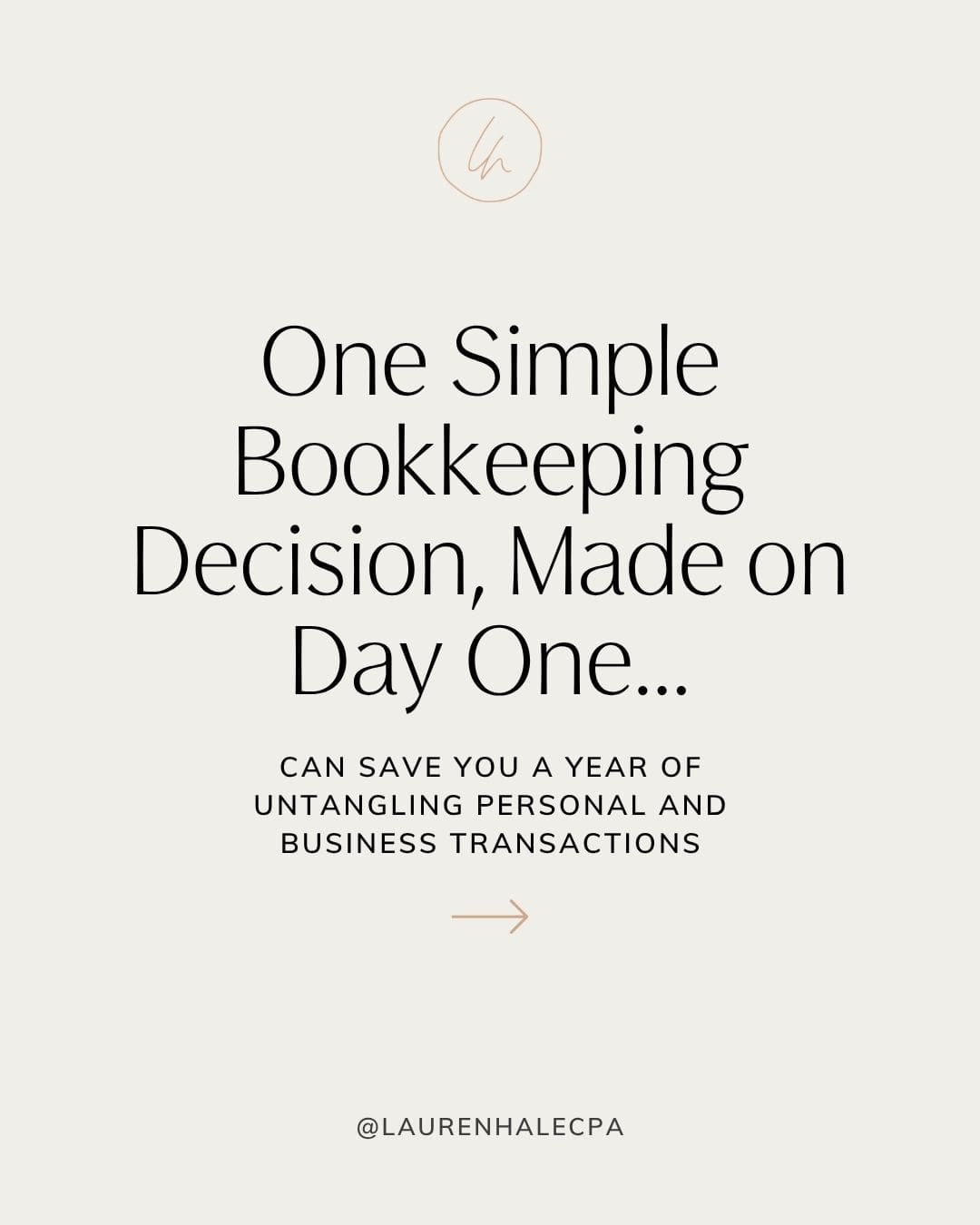
It’s a common scenario: January rolls around and a business owner is sorting through a shoebox, sometimes literally, of receipts and bank statements from three different accounts, trying to piece together what was actually a business expense and what was just life. Untangling a full year of mixed personal and business spending after the fact is one of the most time consuming and expensive things a bookkeeper ends up doing, and it is completely avoidable with one simple decision made on day one.
You do not need anything complicated on day one, but you do need something. Trying to track your first year of business finances through memory, a shoebox of receipts, or a stack of bank statements almost always leads to missed deductions and a stressful tax season.
A simple bookkeeping system gives you an accurate, real time picture of your cash flow, which helps you make better business decisions as you go rather than guessing.
We are big fans of QuickBooks around here, and for good reason. It gives a real time picture of income and expenses instead of a guess reconstructed months later. If bookkeeping ever starts to feel bigger than there is time for, that is not a sign of falling behind, it is usually just a sign the business is growing. That is exactly the kind of moment QuickBooks support is built for, so the system keeps working instead of becoming one more thing on the plate.
Just imagine the difference between opening a shoebox of receipts in April versus opening a dashboard that already shows exactly where things stand. That difference is not about being more disciplined. It is about having the right simple system in place from the start.
10. Build a Small Cash Reserve Before You Need It
Every business goes through a slow month at some point. Having a small cushion of savings set aside, separate from your personal finances, means a slow season does not turn into a crisis. This does not need to be large to start. It simply needs to exist.
Some financial experts suggest keeping a reserve of a few months worth of expenses as a general guideline, though the right number depends on the specific business and season of life, which is a great conversation to have with a CPA rather than a guess. A small cushion, built before it’s needed, is often the difference between weathering a genuinely slow month without panic and reaching for debt to get through it. That kind of peace is worth far more than the amount sitting in the account.
Careful planning here in the beginning gives you far more peace of mind once your business is actually up and running.
The Bottom Line
None of these ten steps require you to be a financial expert. They simply require careful planning before you get started rather than course correcting after the fact. At its heart, this is what good stewardship looks like in the earliest days of a business, taking the resources and the opportunity that have been given and setting them up thoughtfully, rather than reactively. A little bit of preparation now protects the business you are working so hard to build.
If you are getting ready to start a business, or you already have and you are realizing some of these steps got missed, you do not have to figure this out alone. Book a bookkeeping consultation here and let’s build your business on a solid financial foundation from the start.

