Three Things Small Business Owners Should Consider
If you are like a LOT of business owners, you do not begin thinking about taxes until tax season arrives and you get a call from your CPA! (If that’s you, zero shame!)
The problem with that, though, is when it’s tax time, the financial year is already finished, and it’s too late to fix anything. Income has already been earned, expenses have been recorded, and the majority of decisions that majorly influence the final tax bill have already been made.
That’s why it’s so important to plan ahead for taxes, not just react at the end of the year.
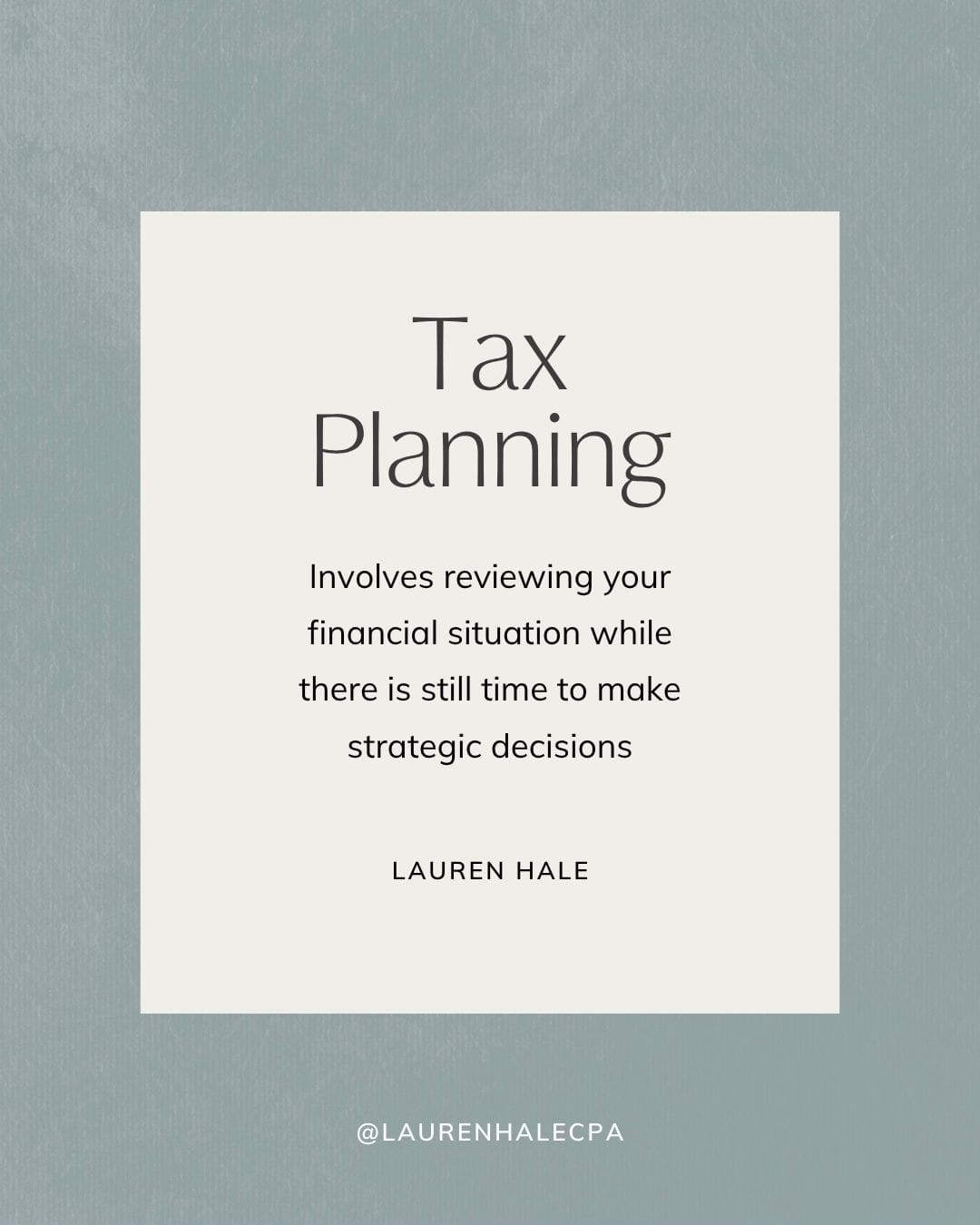
Instead of reacting to numbers after the year is over, tax planning involves reviewing your financial situation while there is still time to make strategic decisions. Those decisions can influence taxable income, available tax deductions, retirement contributions, and the overall tax liability reported on your tax return.
For small business owners and franchise operators in the United States, this proactive approach often makes a significant impact. The choices made throughout the current year can affect the amount of tax owed and the financial stability of the business moving forward.
Don’t worry, tax planning isn’t about shirking your responsibilities or trying to beat the system. It’s about understanding how tax rules apply to you and then using that knowledge to make smart choices that support your business and your future.
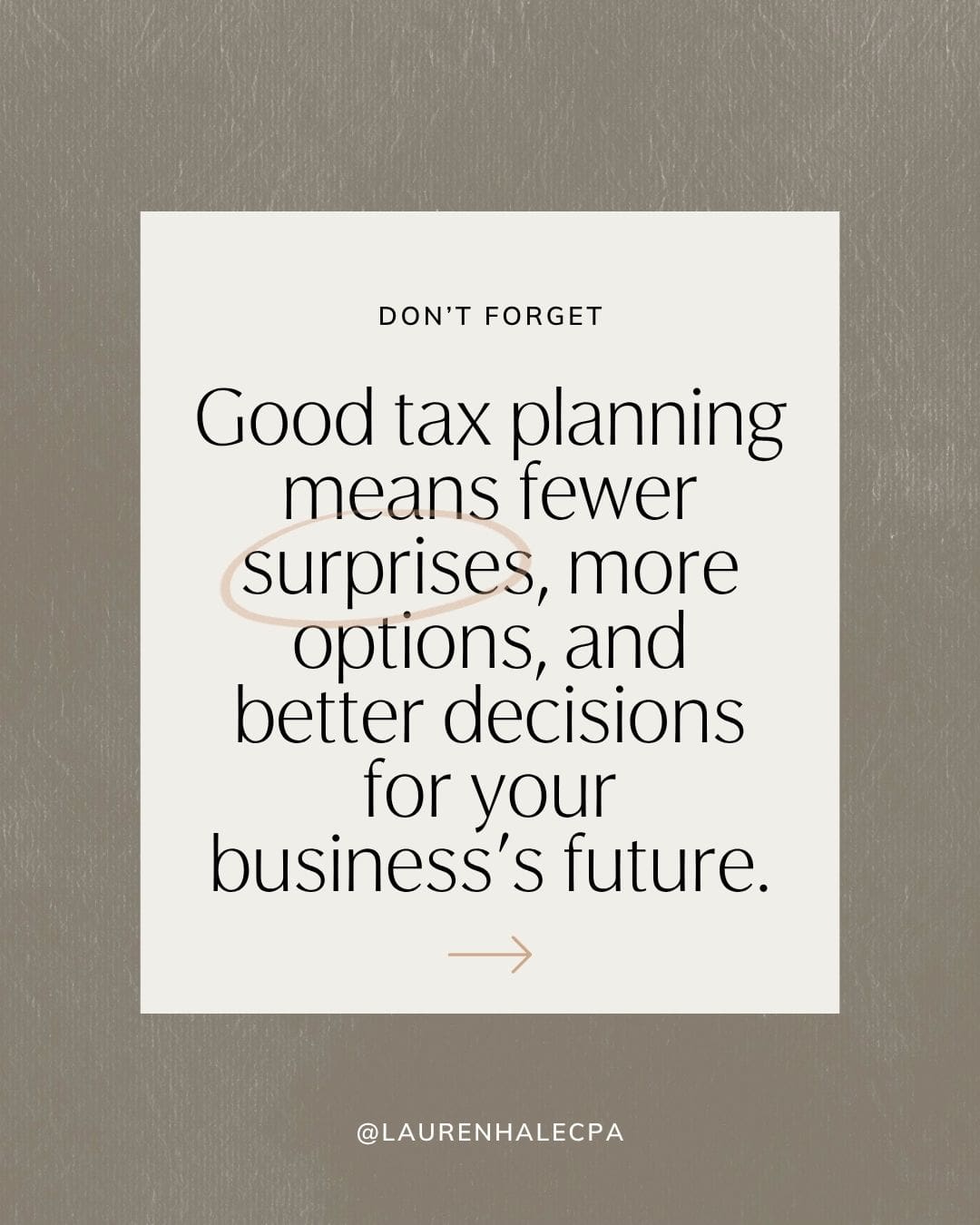
When you plan for taxes ahead of time, you’re not just checking a box you’re taking control. Good tax planning means fewer surprises, more options, and better decisions for your business’s future. Instead of scrambling during tax season, you’ll have a clear sense of what’s coming and how to handle it.

Step One: Review Your Current Financial Situation
You can’t make smart tax moves until you have a clear sense of your current finances. If your records aren’t accurate, it’s nearly impossible to spot tax liabilities or find ways to save.
Need some bookkeeping advice? Read ‘Bookkeeping Mistakes to Avoid’ for nine tips to implement that will help you prevent little bookkeeping problems from turning into big mistakes.
Start by looking at how your business has performed this year and projections for the remainder of the year.
Review key documents, such as your profit and loss statement, payroll records, and receipts for deductible expenses. Take a look at any estimated tax payments you’ve made. These things will all affect what you owe at tax time.
For most small business owners, business and personal taxes are tied together. If you’re a sole proprietor or S corp owner, your business profits usually land right on your personal tax return, and that’s perfectly normal.
Because your business and personal finances are linked, you’ll need to review them together. (And that’s a good reason to work with an accountant who won’t nickel-and-dime you for every question!)
The Importance of Accurate Bookkeeping
Let’s be real: one of the biggest roadblocks to good tax planning is messy or inaccurate bookkeeping. If your records are incomplete or disorganized, it’s tough to know where your business really stands.
Why does this matter? Because your taxable income comes straight from the numbers you report. If you misrecord income or expenses, your tax calculations will be off, too.
Accurate bookkeeping allows a tax advisor to properly evaluate:
- Gross income generated by the business
- Ordinary income subject to income taxes
- Deductible expenses related to operations
- Estimated tax payments already made
- The overall financial performance of the company
Many day-to-day business costs like professional services, insurance, equipment, and tech can lower your tax bill if you deduct them properly.
But if you don’t keep good records, you might miss out on those deductions and end up paying more tax than you need to.
Understanding Your Business Structure
You also need to know your business structure. Are you a sole proprietor or running an S corp? The way your business is set up changes how you’re taxed and what planning moves make sense.
For example, a sole proprietor typically reports business income directly on their personal tax return. This income is often subject to both income taxes and self employment taxes.
By contrast, some businesses elect to operate as an S corporation. In certain circumstances, this structure can change how income is taxed and may help address concerns related to double taxation or self-employment taxes.
However, S corporation status also introduces additional compliance requirements, including payroll obligations and more complex reporting responsibilities.
Life Events That Affect the Tax Return
The tax planning process should also consider major life events that may influence the taxpayer’s financial situation.
Changes in personal or business circumstances can affect filing status, available deductions, and the overall tax liability.
Examples of life events that may affect taxes include:
- Having a baby
- Starting or selling a business
- Significant changes in income
- Purchasing or selling property
- Investment activity that generates capital gains tax
- Large medical expenses
- Retirement contributions or investment income
When these events are discussed early in the year, your tax advisor has greater flexibility to evaluate potential strategies and avoid unexpected tax consequences.
For example, if you know that you are expecting a baby at the end of the year, you may plan your withholdings differently than if you fail to mention that to your accountant. Or, if you know that a major piece of equipment, like a vehicle, will need to be replaced in the next year, your CPA may plan your taxes in the current year differently.
The point is, when you really understand your current finances, THEN you can work on identifying specific opportunities within the tax code to reduce taxes while supporting long-term financial stability.
Step Two: Identify Opportunities to Reduce Taxes Legally Without Hurting Yourself Long Term
Many business owners assume tax planning is simply about lowering the tax bill as much as possible. However, focusing solely on immediate tax reduction can sometimes result in long-term negative consequences such as increased audit risk or missed opportunities for long-term financial growth. In reality, effective tax planning requires a more balanced approach.
During this stage of the tax planning process, your tax advisor evaluates potential opportunities available under current tax laws and how they apply to your current situation AND your long-term goals. Think about things like retirement contributions, available tax deductions, tax credits, and investment strategies that may influence the overall tax burden.
Retirement Contributions and Tax Planning
Retirement accounts are one of the most common tools used in effective tax planning because they can impact your tax bill very strategically, while still staying well within the confines of the law. For example, your contributions to your retirement plans can reduce taxable income while helping you build long-term financial security, which we sometimes forget as business owners.
Depending on your situation, retirement contributions may include:
- Traditional IRA contributions
- SEP IRAs for self-employed individuals
- Employer-sponsored retirement plans
- Catch up contributions for eligible taxpayers
You may also want to chat with your CPA about evaluating the benefit of Roth IRA contributions or Roth conversions, depending on your income levels and overall investment strategy.
These decisions require careful evaluation because they affect not only current-year taxes but also financial planning in future tax years.
For example, contributions to a traditional IRA may reduce taxable income today, while Roth contributions may involve paying taxes now in exchange for potential tax-free withdrawals later.
Retirement planning and tax strategy often work together. A thoughtful tax planning process considers how retirement contributions fit within the broader financial goals of the business owner.
Understanding the Advantage of Deductions
If there is one thing most business owners seem to understand about their taxes, it’s that business deductions are a key way to lower their tax bill. However, you MUST make sure that you use business expenses correctly, otherwise you’re just stuck with some big purchases AND a big tax bill.
The tax code allows business owners to deduct certain expenses that are necessary for operating the business. They need to be “reasonable” for your type of business. THEN, these deductions reduce taxable income and may lower the overall tax liability.
Examples of deductible expenses often include:
- Equipment purchases and technology investments
- Office supplies and operational costs
- Professional services such as accounting and legal advice
- Insurance premiums related to business operations
- Certain travel and administrative expenses
However, it is important for business owners to understand how deductions actually work.
Deductions lower your taxable income, but they don’t wipe out your tax bill dollar for dollar. Don’t spend just to get a deduction — it rarely pays off.
For example, purchasing equipment solely for the purpose of reducing taxes may not actually reduce your taxes owed. Strategic tax planning focuses on expenses that genuinely support the operation of the company while also providing legitimate tax benefits.

Charitable Contributions and Tax Benefits
Some taxpayers also incorporate charitable giving into their tax planning process.
Charitable donations may qualify as deductions under certain circumstances, particularly when they are made to qualified organizations and documented properly.
In some situations, taxpayers may explore options such as donor advised funds or qualified charitable distributions as part of their financial planning strategy.
We’re obviously a big fan of charitable donations and supporting your local church; however, if you want to include these donations on your tax return, make sure that you get receipts and that the organization you’re giving to is a registered 501 C3. Hooray for being able to donate to things you care about AND get a tax break!
Investment Strategy and Taxes
Did you know that your investment decisions can also influence the overall tax liability for business owners. While we are NOT investment advisors (we’ll stick to our accounting lane).
Different investments generate different types of income, and those income sources may be taxed at different rates. (If that makes your brain hurt to read, book a call here.)
For example, certain investments produce ordinary income that is taxed at regular income tax rates, while others generate capital gains that may be taxed differently.
Some investors evaluate strategies such as tax loss harvesting, which involves realizing losses within an investment portfolio to offset capital gains.
Other investors consider municipal bonds or other investment vehicles that may offer favorable tax treatment depending on the circumstances.
Before making investment decisions, make sure the strategy fits your overall goals and risk tolerance — not just your tax situation. Chasing a tax break isn’t worth it if the investment itself isn’t right for you.
The Role of Tax Credits
Tax credits can also play an important role in reducing overall tax liability.
Unlike deductions, which reduce taxable income, tax credits directly reduce the amount of tax owed.
Depending on your situation, you might qualify for certain tax credits. These can directly lower what you owe, so it’s worth checking which ones fit your business.
The key objective during this stage of the tax planning process is balance. Reducing taxes is valuable, but long term financial health should remain the priority.
Step Three: Make Strategic Decisions Before the End of the Year
Now is the step where you actually make the decisions and “move money around” as the kids say. Do you need to invest more? Invest less? Save more? Save less? Make the calls and change the things before the end of the year so that you’re not playing catch up all next year.
This is where tax planning differs most clearly from tax preparation.
Tax preparation focuses on reporting what has already happened during the year. By the time tax season arrives, most financial decisions have already been made.
Tax planning takes place earlier. It involves reviewing the financial situation and determining whether any actions should be taken while there is still time to influence the outcome.
Adjusting Estimated Tax Payments
When your business income increases during the year (like we hope it does), estimated tax payments may need to be updated.
Failing to adjust those payments can sometimes lead to penalties when the tax return is filed. Reviewing tax payments throughout the year helps ensure that business owners remain current with their tax obligations.
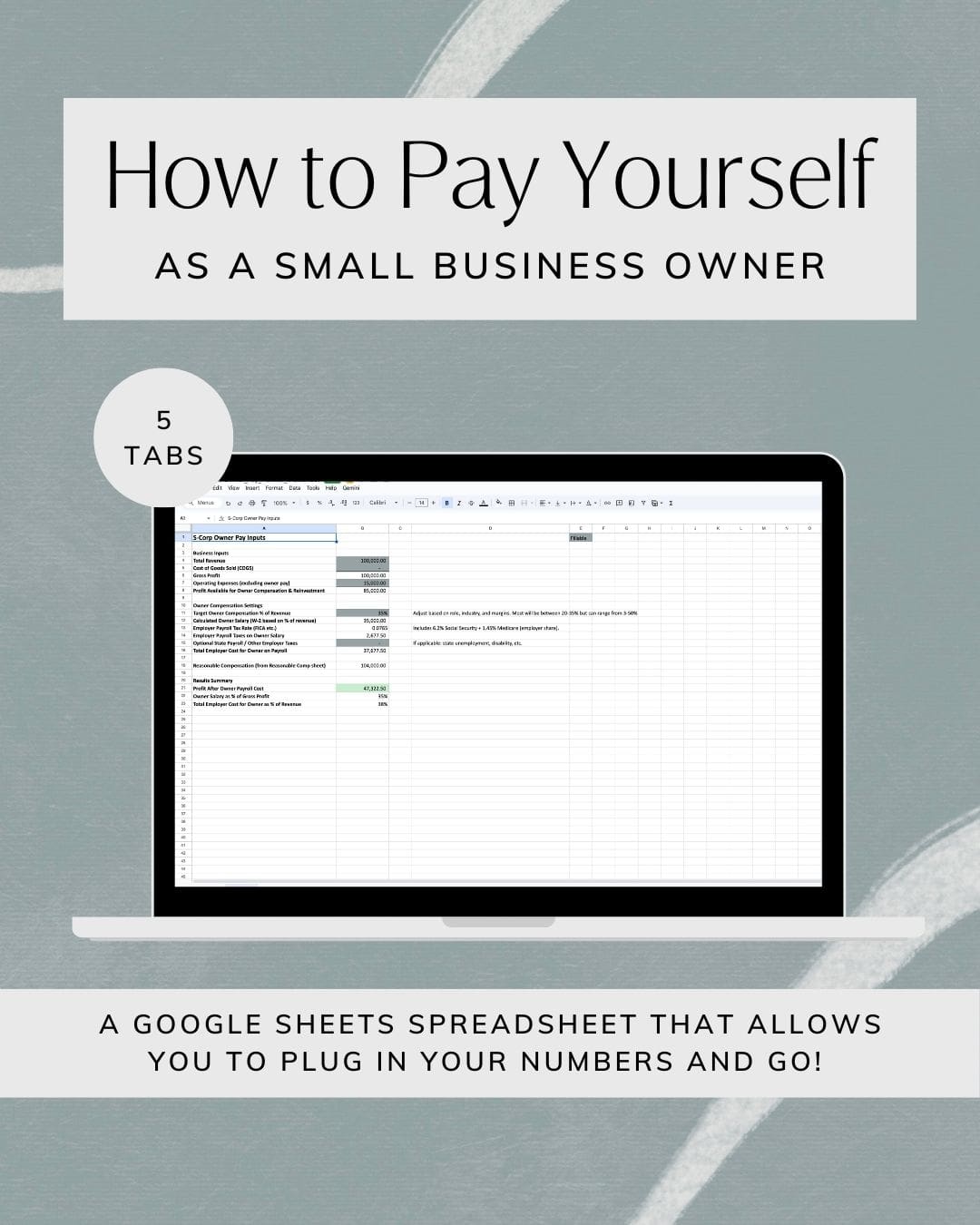
Need to know how much you can pay yourself? Grab this guide and spreadsheet here.
Evaluating Business Purchases
If you have planned for your taxes correctly, then you already know if you need to (and can) buy that new truck you’ve been eyeballing for your business. That way, when it goes on sale, or better yet, you find the perfect USED truck, you can jump on it!
Knowing ahead of time what equipment investments, technology purchases, and other operational expenses may qualify as deductible expenses can be hugely beneficial to your business bank account AND your stress level.
When these decisions are evaluated before the end of the year, business owners can align operational needs with tax planning strategies rather than making rushed decisions during tax season.
Considering Long Term Financial Goals
For many business owners, the company represents a major component of personal wealth and financial security. Decisions related to retirement plans, investment strategies, and estate planning may all influence the broader tax strategy.
High income earners may face different planning considerations than smaller businesses, particularly as tax rates change or new legislation affects the tax code.
Because of these factors, tax planning is best viewed as an ongoing process rather than a one time conversation.
As your business grows, financial circumstances evolve, your tax strategies may need to be adjusted accordingly.
Why the Tax Planning Process Matters for Business Owners
Running a business involves balancing soooo many responsibilities. Managing employees, serving customers, overseeing finances, and planning for the future of the company, and (hopefully) taking a few vacations each year with the family!
Taxes are truly just one part of that larger picture, but they can have a significant impact on the overall financial health of your small business and personal finances.
A structured tax planning process helps business owners stay organized and prepared. Instead of facing unexpected tax liabilities during tax season, owners get a clearer understanding of their financial obligations and the strategies available to them.
When tax planning becomes part of regular financial management, it also helps you, the business owner make better decisions with less second guessing. Business owners who understand their tax situation are better positioned to evaluate investments, expansion opportunities, and long term growth.
Big Takeaway? Don’t Wait to Start Tax Planning
If you are not sure where to start with the tax planning process, we can help. Schedule a consultation and we will walk through your financial situation and identify what planning opportunities may apply to your business.

